
Penang reveals itself fastest at the table, not from the back of a tour bus. If you are searching for the best cultural experiences in Penang, start where locals still argue passionately over sambal, broth, spice paste, and which stall has lost its touch. This island is not culture put on display for visitors. It is culture still being cooked, prayed, bargained, folded, stirred, and eaten every single day.
For travelers who want more than photos, Penang rewards a slower appetite. The real experience is not only seeing Penang Peranakan mansion/Cheong Fatt Tze aka “Blue” mansion or walking Armenian Street. It is understanding why one bowl of assam laksa tastes bright and layered while another tastes flat, why a kopitiam breakfast carries Chinese, Malay, and colonial habits in one sitting, and why a family recipe can tell you more about migration than any museum label.
What makes the best cultural experiences in Penang special
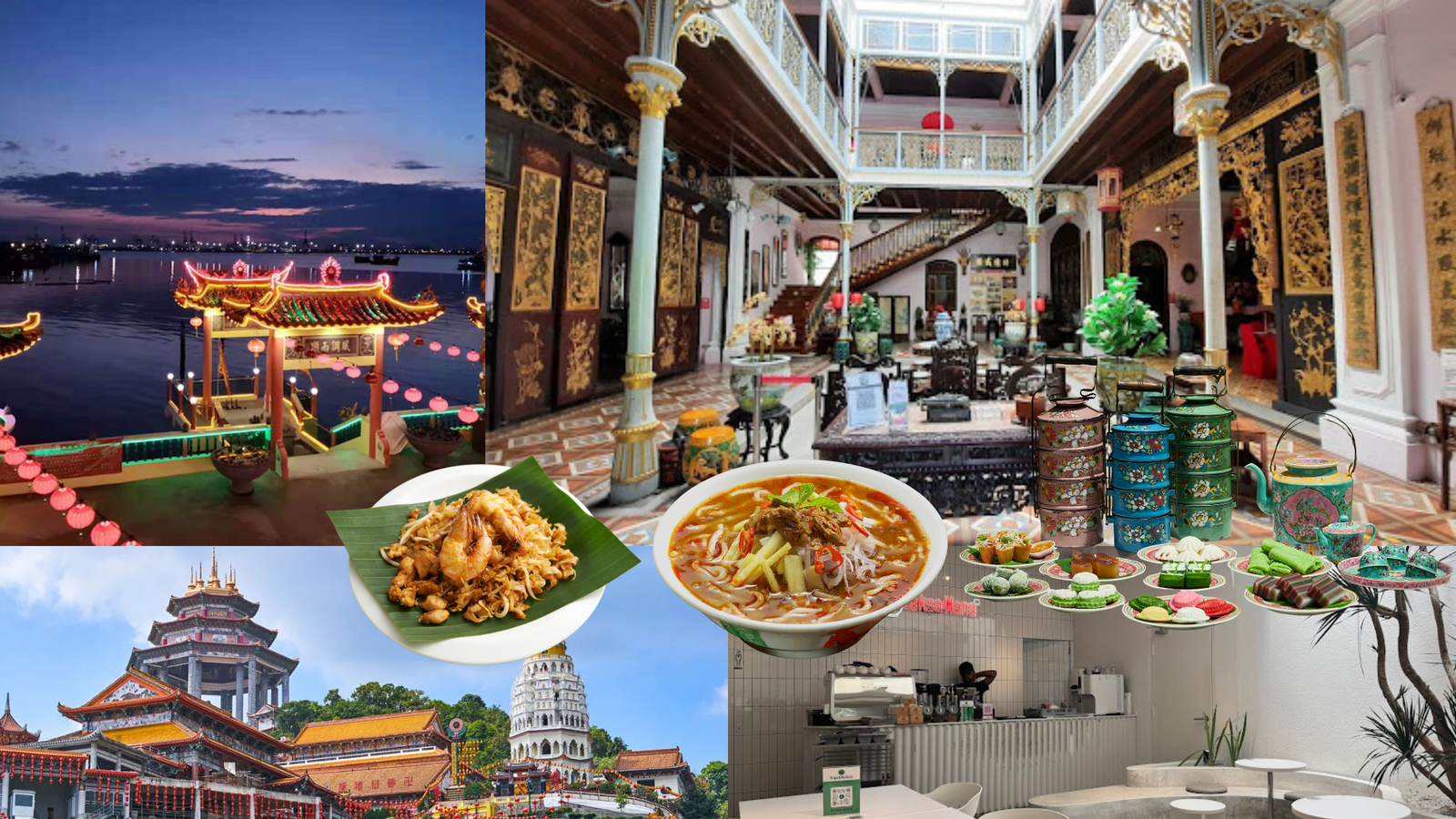
Penang is often praised for heritage, but that word can become too polished, too tidy. Real Penang culture is deliciously mixed. Malay cooking techniques sit on top of Chinese wok craft. Indian Muslim kitchens shape and taped wired into daily street food. Baba Nyonya households intertwined Malay, Chinese Hokkien & western cuisine into something which is refined, labor-intensive, and deeply local. Even architecture here feels like a conversation between communities.
That is why the best experiences are the ones that let you participate, not just observe. Watching incense curl through a temple hall is memorable. More memorable still is learning what people bring as offerings, when they come, and how ritual fits into an ordinary weekday. Eating char kway teow is satisfying. Watching how the wok breathes, how the heat catches the lard or oil, and how the noodles should smell slightly smoky – that is where appreciation begins.
1. Eat hawker food with discernment, not just enthusiasm
Many first-time visitors treat Penang hawker food like a checklist. Better approach – treat it like a conversation with the island. Start with assam laksa, char kway teow, nasi kandar, pasembur, and cendol, but do not stop at trying them once and declaring a favorite.
A good bowl of assam laksa should be aromatic before it reaches your mouth. The broth needs tamarind sharpness, but not a harsh sourness that punches everything else aside. You want balance from mackerel, bunga kantan, mint, onion, cucumber, and that dark sweet prawn paste. When it is mediocre, the broth tastes one-note and thin. When it is excellent, every spoonful shifts slightly. This dish is really subjective and is the most misunderstood as most tourist confused it with the “google” version of laksa which has coconut milk, my wife Jacqueline who’s born and bred in Penang loved it so much while me who’s from Southern Malaysia, Pahang does not enjoy it that much.
Good Asam Laksa worth trying on Chef Samuel’s list
Laksa Mana
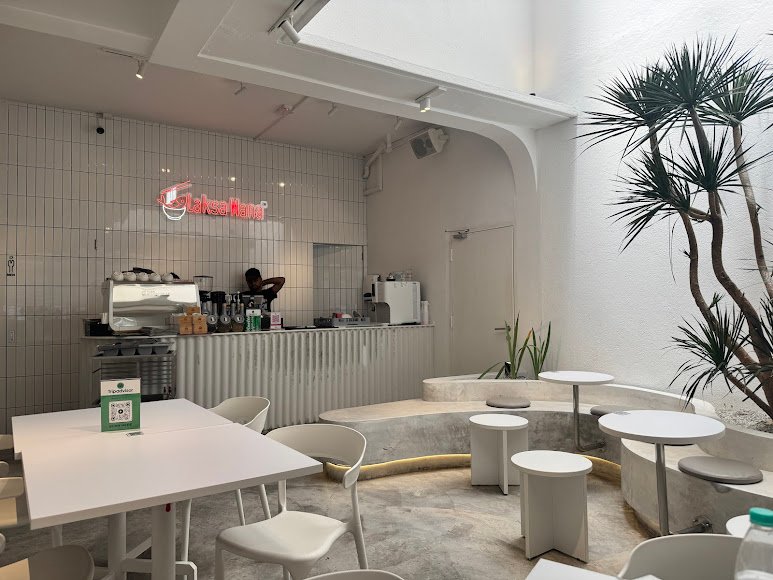
Try their “Cham Laksa” aka Signature Mixed Laksa which meant mixing Assam Laksa with Lemak Laksa
The same goes for char kway teow. Good ones have wok hei, that elusive smoky breath from intense heat. Honestly, none are good on the streets, the best one arguebly in the hotel cooked one plate at a time. The noodles should not sit in a greasy puddle. Bean sprouts must still hold a bit of crunch. If the dish tastes mostly sweet soy and oil, aiya, that one not worth the queue. Try my Char Koay Teow in my Private Penang Cooking Class which has won #1 place competition in Asia Culinary Cup by just using a homecooked stove, you’ll be surprised you might able to cook it yourself.
Good Char Koay Teow worth trying on Chef Samuel’s list
Wembley Cafe Kitchen
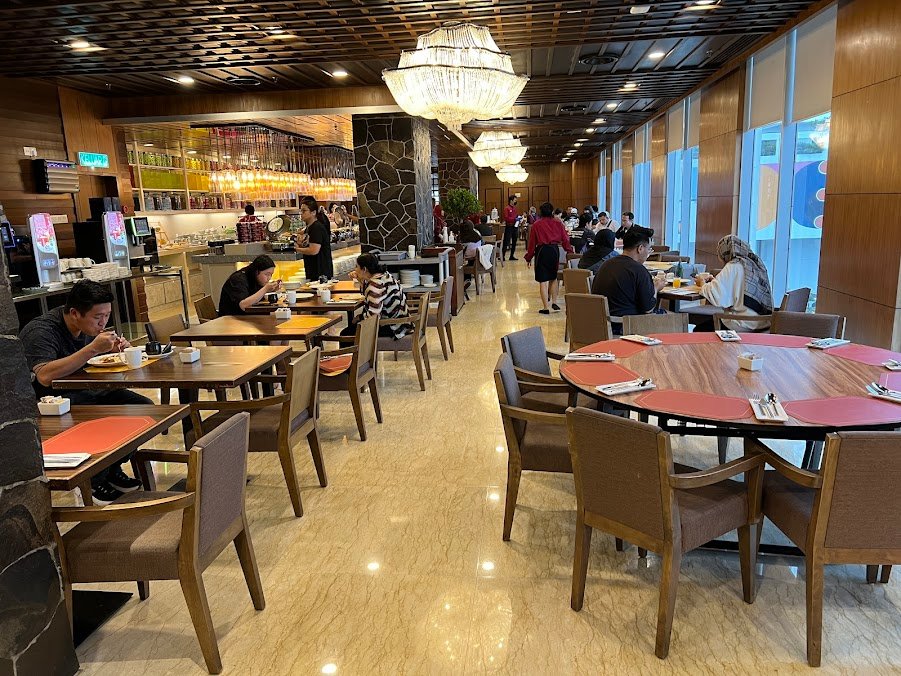
Street side famous CKT is not worth queueing for, which many locals would disagree because they kept their best spot away from pry eyes of media. The best ones are done plate by plate (single serving cooking) which is rare nowadays, some of best stalls are probably those next to your hotel, sitting there without a big crowd. Wembley CKT costs RM24 per plate but it is indeed done properly which I have witness first-hand.
2. Step into Baba Nyonya culture through food and home life
If one cultural thread in Penang deserves patient attention, it is Baba Nyonya heritage. This is not just pretty porcelain and embroidered slippers. It is a highly evolved domestic culture where hospitality, ritual, and cooking are all tied together as best cultural experiences in Penang.
Visit Pinang Peranakan Mansion

Walking through a Peranakan museum still is the best way to do it, especially when you notice how public reception areas differ from private family spaces. But the deeper encounter comes through the kitchen. Nyonya food is still a very primitive way of cooking aka home cooking traditionally. It asks for layering – rempah pounded properly, herbs handled with care, sourness adjusted with restraint, coconut used with intelligence rather than excess.
Good Baba Nyonya Restaurant worth trying on Chef Samuel’s list
Reserve Nyonya Willow
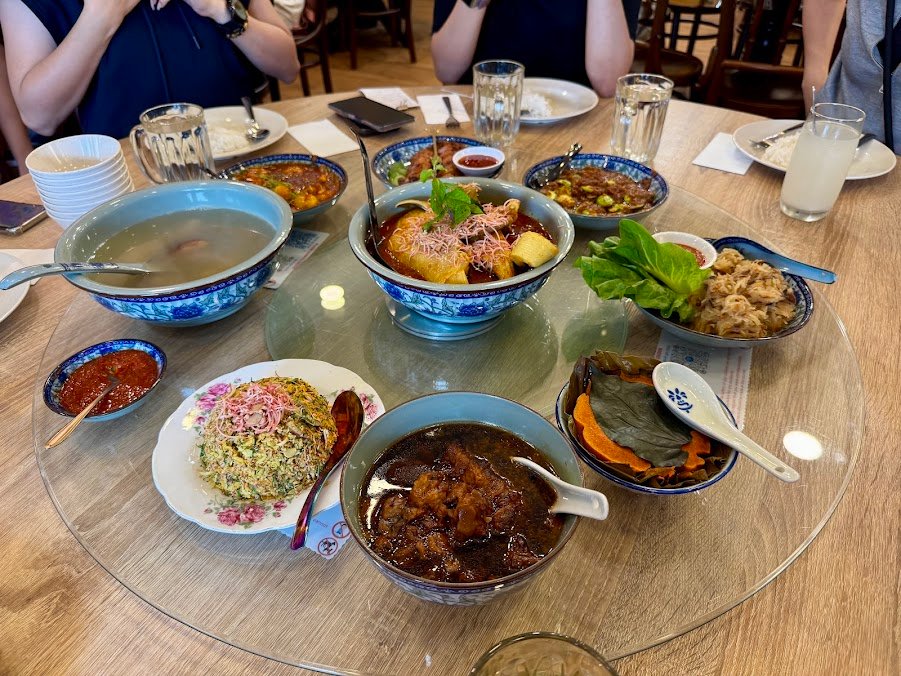
Dishes like ayam pongteh, jiu hu char, otak-otak, and nasi ulam carry this sensibility beautifully. A proper ayam pongteh should be savory and gentle, not muddy and over-sweet. Otak-otak should smell fragrant and marine, not fishy. My verdict is this Michelin place deserve some attention (but not too much, as I love to come here, I don’t want to queue for it). It’s away from Georgetown, hence not visited alike from tourist. My best Nyonya generational food connoisseur Pearly Kee also runs a cooking class, she agrees with me that this is one of the best Nyonya restaurant out there (at the moment) if fingers crossed – they kept with their current quality. Nyonya cooking teaches you that elegance in Malaysian food is often built through hard work, not simplicity.
3. Visit clan jetties while people are actually living there
The clan jetties are often photographed as heritage backdrops, but they make more sense when you remember these are living settlements. Go respectfully, and go with the attitude of a guest. You will notice family altars, potted plants, drying laundry, children moving in and out of homes, and the sea acting as both front yard and livelihood. Not the famous Tan Jetty nor Chew Jetty which is already very commercialized.
Clan Jetty along Hean Boo Thean Kuan Yin Temple
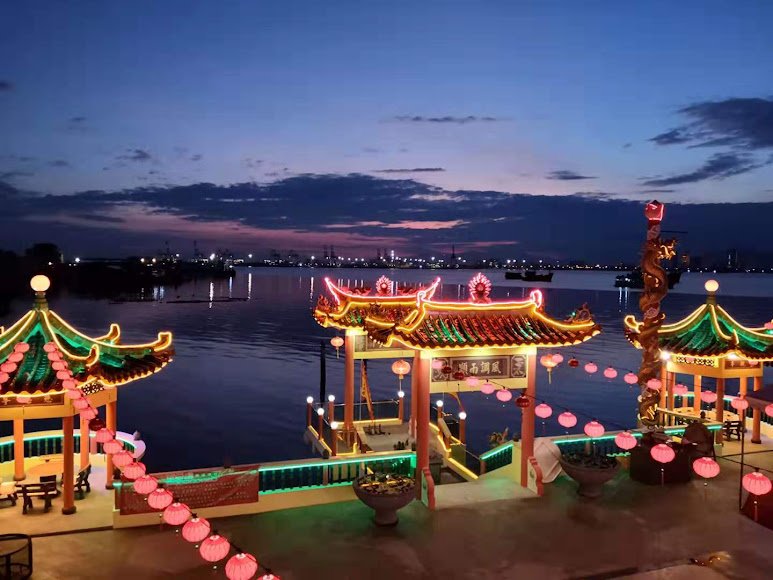
Path Route: https://maps.app.goo.gl/TrR3RT1nAD1HgkNg9
What makes this meaningful is the continuity. These wooden walkways are not replicas of the past. They show how migration, trade, kinship, and daily adaptation shaped Penang. The cultural value is not in the timber houses alone. It is in seeing how community identity stays intact even as tourism presses in.
If you visit too quickly, you will only get pretty photos. If you slow down, you begin to understand the social architecture of the place.
4. Experience Penang’s temples, mosques, and shrines as active spaces
Penang’s religious life is one of its clearest cultural signatures. On one island, you can move between Chinese temples, Indian temples, mosques, and churches within a short distance, yet each space carries its own rhythm and etiquette.
The key is not to collect monuments. Pay attention to use. Listen for bells, chanting, recitation, or the quiet hum of ordinary devotion. Notice footwear left outside, candles burning low, the scent of sandalwood, jasmine, or camphor. These details tell you how belief lives in the body.
Kek Lok Si, Kapitan Keling Mosque, and neighborhood temples all offer different textures of Penang life. The trade-off is that major religious sites can feel crowded or touristic at peak times. Smaller community spaces may be less visually grand, but often they feel more intimate and truthful, 1 of the best cultural experiences in Penang.
5. Walk George Town through its food streets, not only its murals
Yes, the murals are fun. But Penang is best understood by following appetite through George Town. Start in the older quarters where coffee shops, spice stores, wet markets, and old trades still sit close together. You will hear Hokkien, Malay, Tamil, and English brushing past each other. That alone tells a story.
Visit Cecil Street Food Market
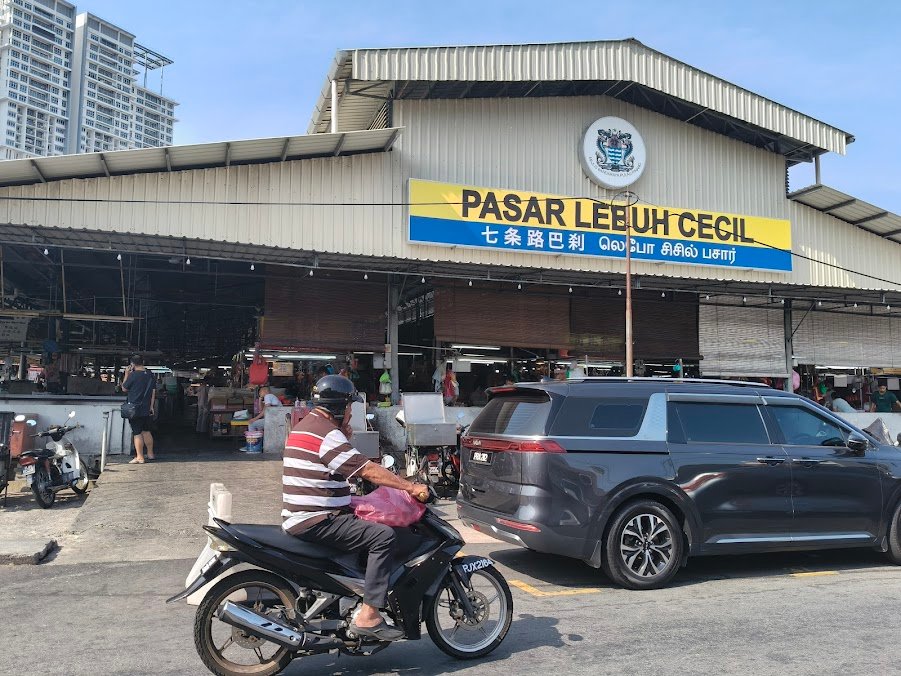
A proper street walk should include morning kopi, maybe kaya toast with half-boiled eggs, then a look into provision shops selling dried goods, spices, preserved fruit, and household staples. Food is never separate from culture here. It maps migration, class, religion, and taste.
This is also where a chef-led perspective matters. A good guide does not only point at dishes. He explains why Penang prawn mee is different from versions elsewhere, why nasi kandar gravies are mixed in a certain way, and how to eat with confidence rather than hesitation.
6. Take a market-to-table cooking experience
For travelers who want one experience that ties Penang together, this is it – best cultural experiences in Penang. A proper cooking class in Penang should begin before the stove. The market is where you learn how locals judge freshness, how herbs are used beyond garnish, and why one fish is chosen for curry while another suits grilling or steaming.

Then comes the important part – not just following a recipe, but understanding the logic of the dish. Why toast the spices first. Why belacan must be handled carefully. Why coconut milk can make a curry luxurious or lazy, depending on how it is balanced. This kind of experience turns tourism into memory you can actually bring home.
For many guests, this becomes one of the best cultural experiences in Penang because it is immersive without feeling performative. It is personal, skilled, and deeply Malaysian. Cooking With Chef Samuel fits naturally into this kind of journey, especially for travelers who want a polished private experience with real culinary depth.
7. Taste Malay heritage beyond the usual tourist plate
Penang’s food fame can sometimes lean too heavily toward Chinese hawker classics, but Malay culinary culture deserves equal attention. Seek out nasi lemak with sambal that has proper depth, not just sugar and chili. Try gulai dishes where the spice blend is rounded and aromatic. Look for kuih in morning markets, where texture matters as much as flavor.
Good Malay cooking often shows a beautiful command of contrast – creamy coconut against sharp herbs, grilled smokiness against fresh sambal, richness lifted with lime. If you have only tried generic hotel versions, you have not really met it yet.
8. Spend time in Little India when the senses are fully awake
Little India is not subtle, and that is exactly the point. Music spills into the street. Flower garlands glow against shopfronts. Spice aromas move from warm and sweet to earthy and hot in a single block. It is one of the places where Penang’s layered identity feels immediate.
Come hungry. Banana leaf meals, sweets, breads, and spiced snacks all reveal a different current in the island’s culture. The best way to appreciate the area is to let your senses work before your camera does.
9. Time your visit around everyday rituals, not just festivals
Festivals in Penang are spectacular, but daily rituals often leave a deeper impression. Morning market shopping, kopi sessions, school pickup snacks, evening prayers, family dinners at hawker centers – this is culture in its most honest form.
If you do catch a festival, wonderful. But do not assume culture only appears when there are lanterns, processions, or special costumes. Penang is rich precisely because ordinary life is still so textured.
The sweetest way to experience Penang is to arrive curious and eat attentively. Let the island teach you through broth, incense, architecture, and conversation. When you stop chasing attractions and start noticing how people live, Penang becomes not just memorable, but deeply human.

 English
 简体中文
简体中文